Bulkhead Repair on Barnegat Bay, Toms River NJ
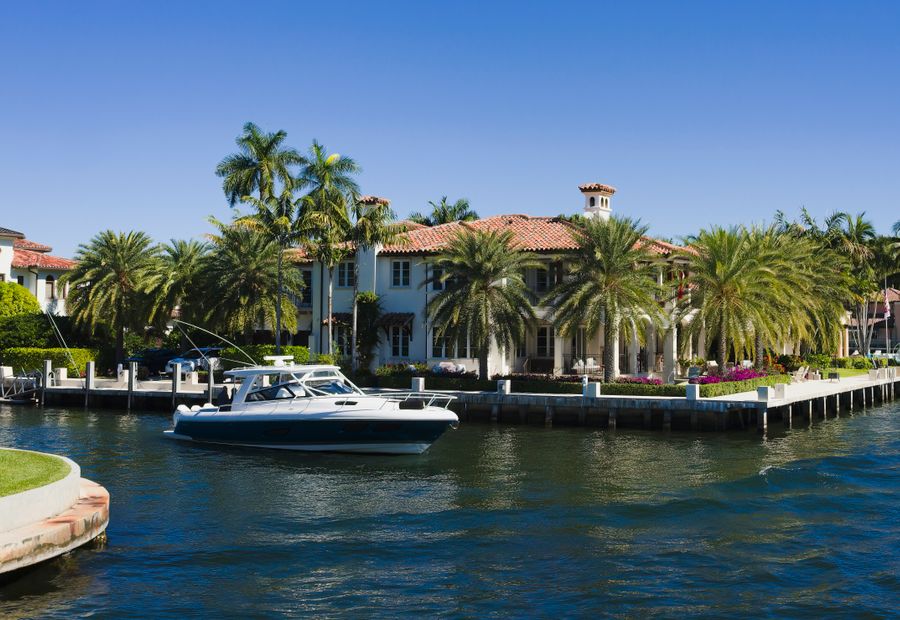
On the Barnegat Bay lagoons, the bulkhead is the whole reason the yard is dry. These back-bay communities in Toms River, Brick, Lavallette, and down the bay were dredged and filled in the 1950s and 60s, and every waterfront lot sits behind a wall that holds the fill back from the lagoon. When that wall fails, the yard drains out into the bay. Barnegat Bay Bulkhead repairs failing vinyl and timber bulkheads across the lagoon communities.
We are a local marine construction contractor, not a foundation-repair franchise. We do not inject your lawn with foam and call the wall fixed. We rebuild the wall itself: the sheathing, the tie-backs, the toe, the cap, and the backfill behind it. On a shallow lagoon wall that is the only thing that holds.
What a Failing Bulkhead Looks Like
The bay shows you before the wall goes. A dip or sinkhole behind the cap means soil is draining out through a leak. A wall leaning out over the lagoon has lost its tie-backs. Vinyl panels or timber boards separating at the seams, a cap cracking along its length, and a soft spot underfoot all say the wall is no longer tight and the lagoon is taking your yard through the gaps.
Why Barnegat Bay Walls Fail
These lagoons are a hard place for a wall despite the calm water. The bay is shallow and brackish, the tide works the sheathing daily, and boat wake rolls down the lagoons all summer. Winter brings ice that grabs the wall and lifts piles. And over all of it hangs Superstorm Sandy: the 2012 storm overtopped, scoured, and shifted bulkheads bay-wide, and a wall that survived it damaged is still failing a decade on. Add the age of the original 1960s timber walls and the failures come in clusters, block by block.
How We Repair a Bulkhead
We fix the cause. A leaning wall gets new tie-backs and deadman anchors set in stable ground. A scoured toe gets rebuilt. Where the face is gone we splice in new vinyl sheet pile, and where the yard has drained we refill and compact the void and cap it. Done in that order the repair holds through the next storm season. Skip the anchor or the toe and it does not.
When Replacement Is the Honest Call
Not every wall is worth saving. When the sheathing is split in runs, the piles are gone, and the wall leans past plumb, new anchors are money after a lost wall. That is a replacement, and it is often the chance to raise the cap to your town's post-Sandy standard. The written estimate shows both paths with real numbers.
Built to the NJDEP Permit
Bulkhead work on the bay runs through the New Jersey Department of Environmental Protection, and often CAFRA and a tidelands license as well. In-kind repair in the same footprint is a lighter path; raising or moving the wall is the fuller review. We handle the permit side for what we build and tell you up front which category you are in, because building in tidal water without the right authorization is how a job gets stopped.
Losing your yard to the lagoon? Call (732) 555-0164. We will look at the cap, the lean, the toe, and the yard behind it and tell you plainly whether it is a repair or a rebuild.
How do I know my lagoon bulkhead is failing?
The bay tells you. A yard that dips or sinks near the cap, a soft spot or sinkhole behind the wall, a wall leaning out over the lagoon, panels or boards separated at the seams, and a cap cracking or pulling loose all mean the wall is losing backfill. On a Barnegat Bay lagoon the water is right there against a shallow wall, so a leak drains the yard out quickly. A wall that is old but still tight and plumb is not urgent; a leaning one is.
Is my bulkhead still weak from Superstorm Sandy?
Many are, even the ones that looked fine afterward. Sandy overtopped and undermined thousands of Barnegat Bay bulkheads in 2012, and a wall that was scoured or shifted but not knocked flat can keep failing quietly for years, losing backfill and dragging its anchors. If your wall predates Sandy and has never been properly rebuilt, a leaning face or a sinking yard now is often that storm still working. We look at whether it is worth resetting or has reached replacement.
Can a lagoon bulkhead be repaired, or does it need full replacement?
It depends on the sheathing. A wall with sound vinyl or timber but a failed tie-back, a scoured toe, or a cracked cap is a repair: new anchors, a rebuilt toe, fresh backfill, and a new cap. When the sheathing is rotted or split in runs, the wall leans past plumb, and the whole thing is the same tired age, replacement is the honest call. We show both on the estimate rather than sell a patch that fails next season.
Do I need an NJDEP permit to repair my bulkhead?
It depends on the work. In-kind, in-place repair or replacement of a functioning bulkhead in the same footprint often qualifies for a general permit or permit-by-certification through the New Jersey Department of Environmental Protection, while raising the wall, moving it bayward, or new construction runs the fuller waterfront development and CAFRA review, plus a tidelands license or grant. We tell you which category your job is in and handle the permit side for what we build.
Should I raise my bulkhead when I repair it?
It is worth asking. After Sandy many Ocean County towns adopted higher bulkhead elevation standards, and raising the cap while you are already rebuilding can buy real flood protection for a lagoon lot. Whether you can, and how high, depends on your town's standard, your neighbors' walls, and the NJDEP. We tell you what the rules allow and whether a raise makes sense for your lot rather than just rebuilding to the old line.